
The Art of Evaluating Movement with a Critical Eye
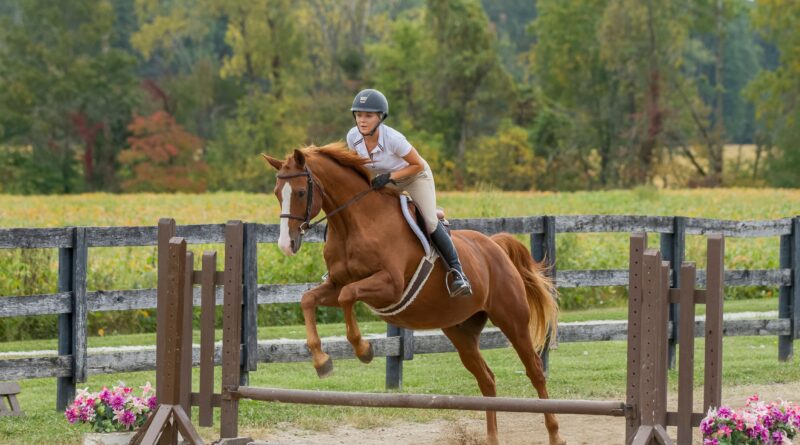
When searching for Hunter Jumper Horses for sale, many riders focus on pedigree or looks—yet movement reveals far more about performance and reliability. Gait exposes strengths and weaknesses long before training does. Videos flatter, photos distract, but movement stays honest. Misreading it leads to high costs and a partner who never fits your goals. This guide sharpens your eye for cleaner, safer decisions.
What Defines Quality Movement in Sport Horse Prospects?
A good stride is not about flair. It is about mechanics—clean rhythm, stable balance, a body that supports the rider instead of fighting physics. When evaluating Hunter Jumper Horses for sale, gait analysis becomes a filter: it separates natural athletic talent from trained illusion.
Look first at rhythm. A steady beat shows coordination. Then watch the back: does it swing or stay rigid? A flexible back improves rideability and reduces strain on joints. The forehand should lift instead of pounding forward. The hind legs should step under, not trail behind like anchors.
Small deviations matter. Toe-dragging hints at weakness. A tight shoulder limits stride range. A dropped stifle may affect jumping power. Once you know these signals, you see them instantly.
From First Impression to Technical Assessment
Your first look is instinctive. Trust it—but verify it with structure. Start by watching the horse walk on a loose lead. The walk exposes tension better than any other gait. Then move to trot and canter, ideally on straight lines and circles.
When dealing with Hunter Jumper Horses for sale, insist on multiple viewing angles. Some sellers only show ideal shots. Ask for transitions, because they reveal strength and honesty. A horse that moves well through transitions usually carries itself correctly.
Buyer’s Movement Checklist 📝🐎
| ✅ | Key Points to Review When Assessing Movement for Hunter Jumper Horses for sale |
| ⬜ | Confirm the horse shows stable energy levels across multiple sessions—not just in the first minutes of work. ⚡ |
| ⬜ | Watch the horse after a small course or gymnastic line to see how it moves when slightly fatigued. 🏇 |
| ⬜ | Check for clean limb alignment on hard ground, especially during tight turns at walk and trot. 🔍 |
| ⬜ | Observe how quickly the horse regains balance after slipping, tripping, or minor rider corrections. ⚖️ |
| ⬜ | Look for flexible ribcage movement that supports bending without stiffness. 🌀 |
| ⬜ | Evaluate how the horse reacts to uneven footing, such as shallow ruts or slight grass variations. 🌱 |
| ⬜ | Test responsiveness to subtle aids, noting how the body organizes itself during quick adjustments. 🎯 |
| ⬜ | Confirm the horse maintains mental focus when other horses move nearby or distractions appear. 🧠 |
| ⬜ | Assess movement immediately after mounting, checking for tension spikes or delayed relaxation. 🪶 |
| ⬜ | Check how the horse carries itself during lateral shifts, even if basic—leg-yield tendencies say much about coordination. ↔️ |
Biomechanics You Should Recognize in Athletic Jumpers and Performance Horses
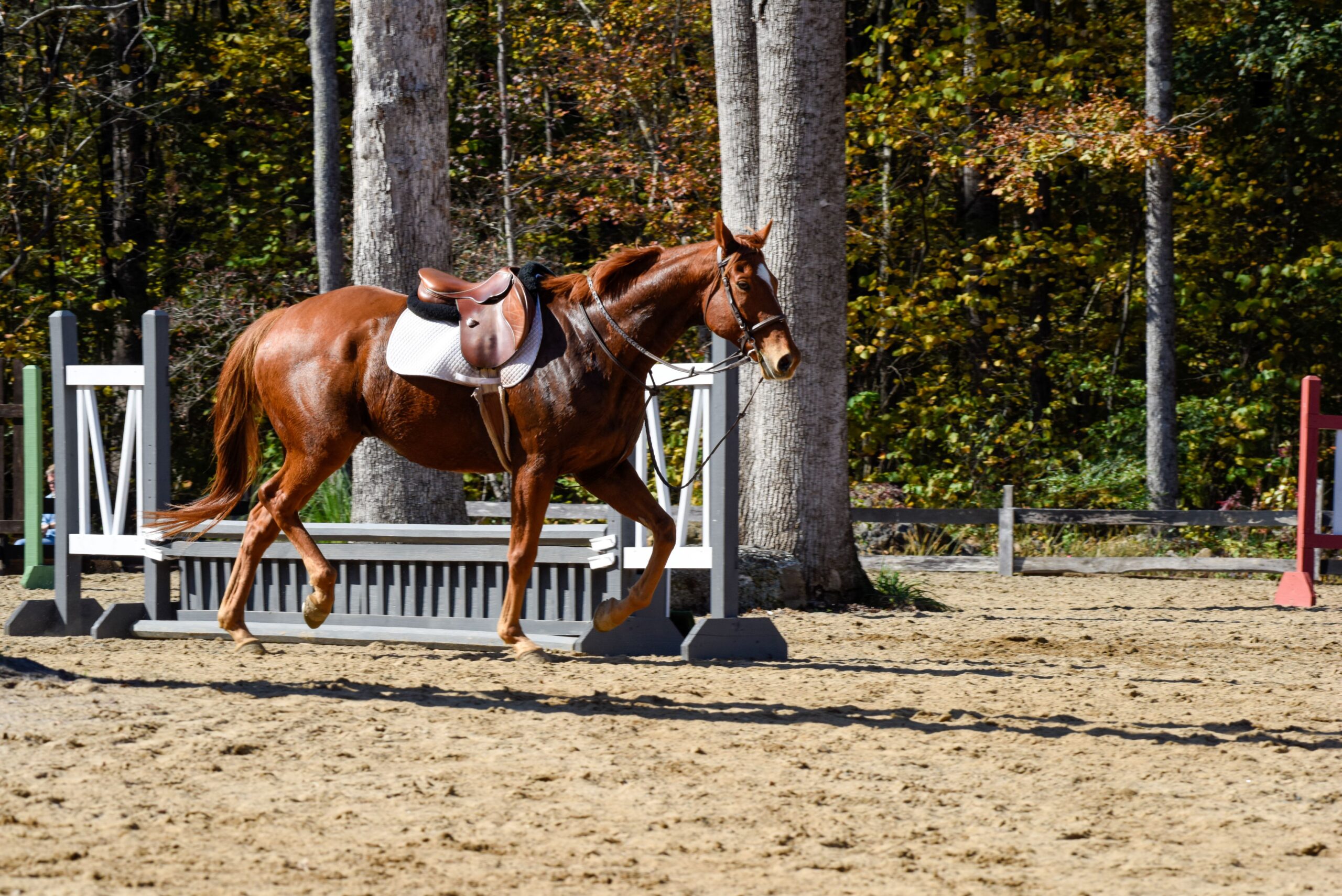
Biomechanics turn intuition into understanding. A horse built for jumping needs leverage, elasticity, and symmetry. Without these elements, movement loses efficiency.
Study the neck. A well-set neck lets the horse balance through turns. Look at the shoulder angle: a more open angle improves reach and reduces strain on the front legs—critical when considering Hunter Jumper Horses for sale.
The loin should connect the back smoothly to the hindquarters. If this area locks, the stride shortens. Check the croup: its angle influences push-off power. Finally, evaluate symmetry. Asymmetry is common, but severe asymmetry affects soundness.
Why Consistency Matters More Than Flash in Competition-Ready Horses
A flashy mover dazzles. A consistent mover lasts. Buyers often chase elegance and forget durability. A horse that maintains posture under pressure delivers safety and performance.
Consistency appears in three areas:
- Same rhythm in all gaits
- Stable topline under saddle
- Equal push from both hind legs
When researching Hunter Jumper Horses for sale, consistency predicts whether the horse can jump multiple courses, handle tight turns, and stay sound across a season. Flashy movement may win attention, but consistency wins rounds.
Evaluating Movement in Real Purchase Scenarios for Show Jumping Prospects
Movement evaluation becomes practical when used during real selection. Begin with video. Identify rhythm, posture, reach, and push. Then observe tension: pinned ears, tight tail, grinding teeth. These reveal more than gait alone.
Next, see the horse live. Footing should be even and fair—no deep sand hiding uneven steps. Finally, test under saddle. A horse that softens to the hand and steps under willingly shows future rideability.
Buyers who work with established sellers like jw-horses.com receive structured presentation, medical transparency and horses prepared professionally—ideal conditions to judge movement without distortion.
Where This Insight Helps You Choose Performance Horses
A precise view of movement reduces risk. It sharpens decisions, prevents mismatches, and helps buyers find horses that stay sound, willing and capable. As you refine your eye, the noise around sales fades—the stride speaks for itself.
Strength in Every Stride
Evaluating movement is not a luxury. It is your strongest tool to choose a partner who fits your goals and stays healthy for years. When you understand rhythm, balance, and biomechanics, each viewing becomes clearer. And the right horse becomes easier to recognize.
Image source: Leah Richardson, Amanda, Terri Cage, Adobe Stock